Last updated: September 2026
The short answer is that egress windows can leak, but they don’t have to. With good installation, drainage, and care, your egress window can stay watertight for many years.
Let’s explore why leaks happen and how you can prevent them.
What Makes Egress Windows Vulnerable to Leaks?
Egress windows are designed to be watertight. However, several factors can cause water problems.
The Long Island Challenge
Long Island presents unique challenges that other areas don’t face. Our region deals with:
- High water tables in many neighborhoods
- Heavy coastal storms and nor’easters
- Mostly sandy soils, with heavier soils that hold water in some areas
- Freeze-thaw cycles that crack seals
- Seasonal heavy rainfall
These conditions make proper installation and drainage absolutely critical for egress window installation on Long Island.
Common Causes of Egress Window Leaks
Understanding why leaks happen helps you prevent them. Here are the main culprits:
1. Poor Installation
The number one cause of egress window leaks is improper installation. When contractors cut corners, problems follow.
Common installation mistakes include:
- Incorrect window placement
- Missing or inadequate waterproofing membrane
- Poor caulking around the frame
- Improperly sloped window wells
- No drainage system installed
2. Inadequate Drainage
Your window well needs somewhere for water to go. Without proper drainage, rain and snowmelt collect in the well. Our guide to egress window well drainage covers why wells fill and what to do about it.
Eventually, that water finds its way into your basement.
A proper drainage system includes:
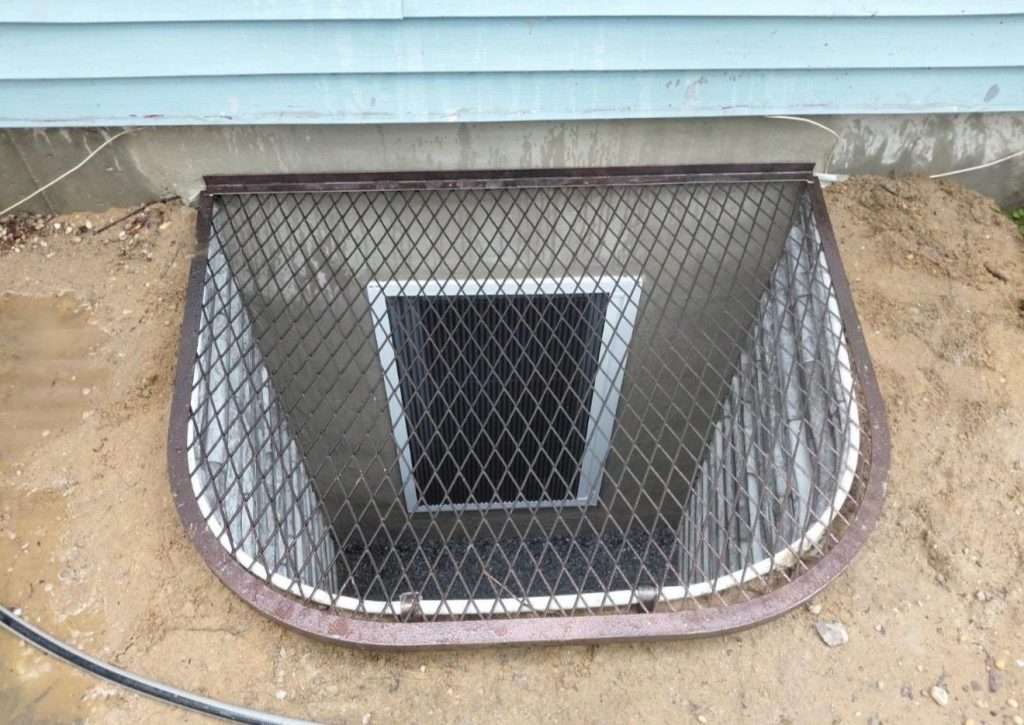
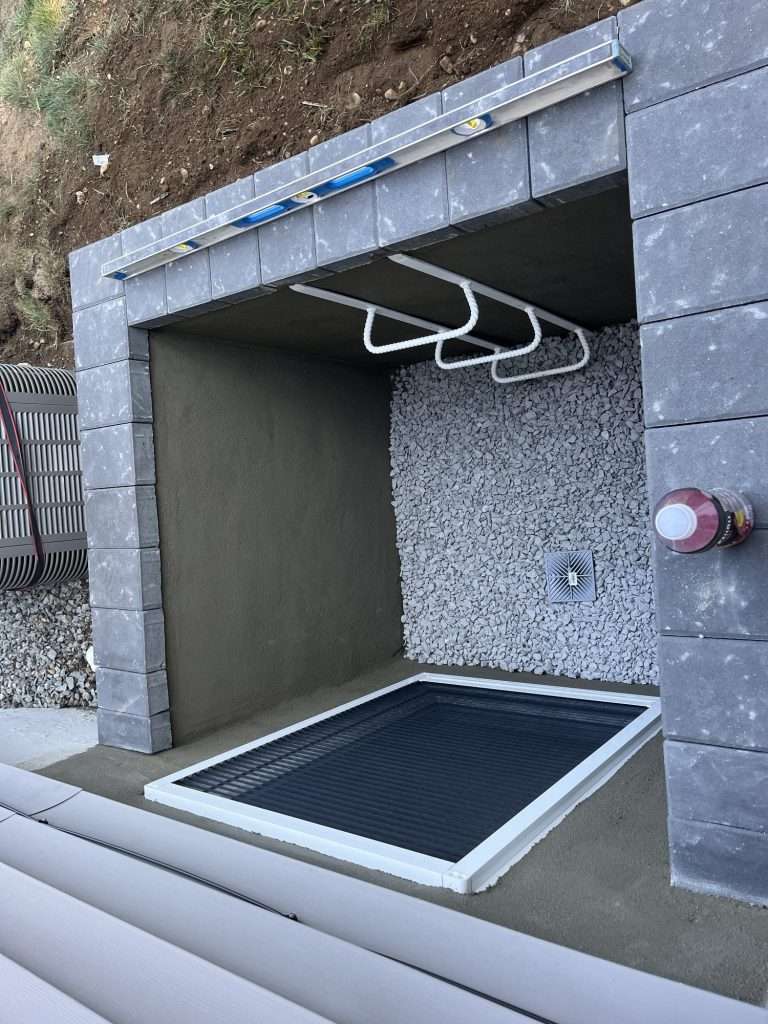
- Gravel base at the bottom of the well
- A storm water leaching system, like a 50-gallon Flo-Well
- A separate system, not tied into footing drains or the sump pump
- Proper grading away from the foundation
3. Faulty Seals and Caulking
Even well-installed windows develop problems over time. Seals crack and caulk deteriorates.
Long Island’s weather accelerates this process. Summer heat and winter cold cause materials to expand and contract.
4. Clogged Window Wells
Leaves, dirt, and debris accumulate in window wells. This is especially common in wooded areas of Suffolk and Nassau counties.
When drains get blocked, water has nowhere to go but into your home.
5. Foundation Issues
Sometimes the problem isn’t the window itself. Cracks in your foundation can allow water to seep in around even perfectly installed windows.
Settlement and soil movement are common on Long Island. These can create gaps over time.
Signs Your Egress Window Is Leaking
Catch problems early to prevent major damage. Watch for these warning signs:
- Water stains on walls around the window
- Musty odors in the basement
- Standing water in the window well after rain
- Damp carpet or flooring near the window
- Peeling paint or bubbling drywall
- Mold or mildew growth
- Rust on metal window wells or hardware
Don’t ignore these signs. Small leaks become big problems fast.
How to Prevent Egress Window Leaks
Prevention is always easier than repair. Follow these steps to keep your basement dry.
Start With Professional Installation
This is the most important step. Professional installers understand Long Island’s unique challenges.
At Egress of Long Island, we assess each property individually. We check your water table, soil type, and drainage needs before installation.
Our team ensures:
- Proper waterproofing membranes
- Correct window well sizing and placement
- Adequate drainage systems
- Quality sealing and caulking
- Code-compliant installation
Install Quality Window Well Covers
Window well covers serve multiple purposes. They keep debris out of your well and provide extra protection during storms.
Quality egress window covers also:
- Reduce maintenance needs
- Prevent leaves and debris buildup
- Cut down on rain and snow getting into the well
- Still allow emergency egress
Many Long Island homeowners find covers essential, especially in wooded neighborhoods.
Maintain Your Drainage System
Even the best drainage needs maintenance. Make this part of your seasonal routine.
Spring: Clear out winter debris and check for ice damage to seals.
Summer: Inspect caulking and seals during dry weather.
Fall: Remove leaves before they clog drains.
Winter: Clear snow away from window wells.
Regular Inspections
Check your egress windows at least twice a year. After major storms, do a quick visual inspection.
Look for:
- Cracks in caulk or sealant
- Debris in the window well
- Standing water that doesn’t drain
- Damage to the window well structure
- Foundation cracks near the window
Catching small issues early saves money and prevents water damage.
What to Do If Your Egress Window Leaks
Already dealing with a leak? Don’t panic. Most leaks can be fixed.
Immediate Steps
- Remove standing water from the window well using a wet-dry vacuum or bucket
- Check for obvious blockages in drains or gutters
- Inspect seals around the window frame for visible gaps
- Clear debris from the window well
- Document the damage with photos for insurance if needed
When to Call Professionals
Some situations require expert help. Call a waterproofing or foundation contractor if you notice:
- Repeated leaking after you’ve cleared drains
- Large cracks in the foundation
- Persistent water problems
- Structural damage to the window well
- Mold growth
Professional waterproofing contractors can identify underlying issues. They’ll determine if you need drainage improvements, foundation repairs, or window replacement.
Long Island Building Code Requirements
All habitable basement spaces in Nassau and Suffolk counties require code-compliant egress windows. This isn’t optional.
The code requires:
- Minimum opening size for emergency escape
- Proper installation and waterproofing
- Adequate drainage systems
- A building permit and town inspection
Working with experienced local installers ensures you meet all requirements. Code compliance protects your investment and keeps your family safe.
Cost Considerations: Prevention vs. Repair
Catching a leak early costs far less than repairing water damage later. That’s why below-grade waterproofing, a drainage stone base, and a 50-gallon Flo-Well come standard in every egress window package. Packages start at around $5,500, and masonry and Boman Kemp wells include a cover.
The Bottom Line on Egress Window Leaks
Egress windows don’t have to leak. With professional installation and regular maintenance, they go a long way toward keeping your basement dry and safe.
Long Island’s climate and soil conditions do create challenges. But local professionals like Egress of Long Island understand these issues. We design every installation to handle our unique environment.
Don’t let fear of leaks keep you from finishing your basement. With the right approach, you can enjoy your new living space.
Ready to install an egress window the right way? Our team specializes in basement entrances and egress solutions throughout Suffolk and Nassau counties.
Check out our gallery to see our work, or contact us for a free consultation.
Frequently Asked Questions
How long do egress windows last without leaking?
Properly installed and maintained egress windows can stay watertight for many years. The key factors are quality installation, good drainage, and regular maintenance. Windows in Long Island may need more frequent seal inspections due to our coastal climate and temperature swings.
Can I install an egress window myself to save money?
While DIY installation is possible, it’s not recommended. Egress window installation requires cutting through your foundation, waterproofing, proper drainage setup, and code compliance. Mistakes can lead to serious leaks and water damage that cost far more than professional installation.
Do all egress windows need drainage systems?
Yes, every egress window well needs a drainage system. Even in areas with good soil drainage, heavy rains can overwhelm the ground’s natural capacity. On Long Island, where water tables can be high and soils are mostly sandy with heavier soils in some areas, drainage is absolutely essential. Without it, leaks are almost guaranteed.
How often should I clean my egress window well?
Clean your window well at least twice per year: once in spring and once in fall. After major storms, do a quick check for debris. If you have many trees nearby, you may need to clean more frequently. Regular cleaning prevents drain clogs and reduces leak risk significantly.
What’s the best window well material for preventing leaks?
We install galvanized steel wells from Boman Kemp, or Cambridge ArmorTec block wells if you want a different look. Either one works when it’s installed right. The material matters less than proper installation, drainage, and a good cover.
Will a window well cover completely prevent leaks?
Window well covers significantly reduce leak risk but aren’t a complete solution on their own. Covers keep out debris and provide rain protection. However, you still need proper drainage underneath. Think of covers as one important layer in a comprehensive waterproofing system.
How do I know if my egress window meets Long Island building codes?
Code-compliant egress windows must have minimum opening dimensions (typically 20 inches wide, 24 inches tall, and 5.7 square feet of opening area, or 5 square feet for grade-floor openings; confirm with your building department). The window sill must be no more than 44 inches from the floor. Professional installers familiar with Nassau and Suffolk county codes ensure compliance. Building inspectors verify this during final inspection.
Can water damage from egress window leaks affect my home’s value?
Yes, water damage can significantly reduce your home’s value and make it harder to sell. Buyers and inspectors look closely at basements for water issues. However, properly installed and maintained egress windows can help your home’s value when the room also meets code for legal living space, and they improve safety.
What should I do if I notice mold around my egress window?
Address mold immediately. First, fix the water source causing the mold growth. Then, for small areas (less than 10 square feet), you can clean with a bleach solution. For larger mold problems, hire a professional remediation company. Never ignore mold. It indicates ongoing moisture issues and poses health risks.