Last updated: September 2026
Table of Contents
ToggleThe DIY Challenge: What You Need to Know
Wondering if you can save money by installing your own egress window? It’s a question many Long Island homeowners ask us at Egress of Long Island. While DIY installation is technically possible, it’s a complex project that requires careful planning, specialized tools, and detailed knowledge of local building codes.
Let’s walk through what’s involved so you can make the best choice for your home’s safety and value.
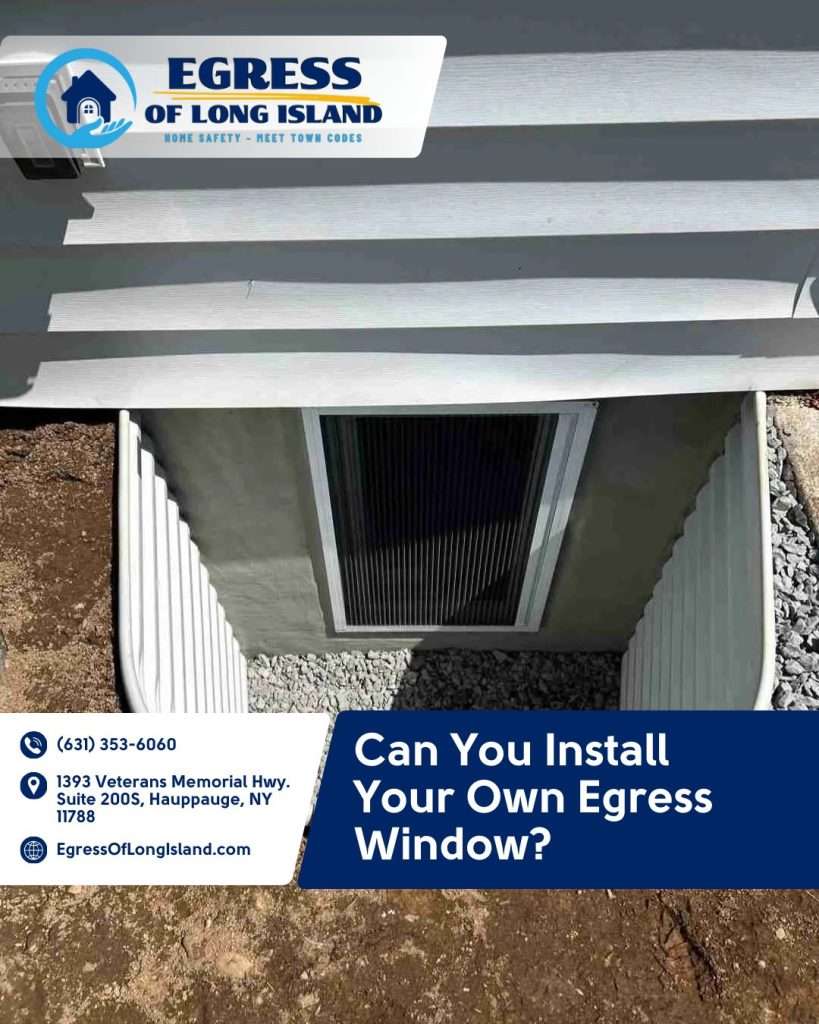
What Is an Egress Window?
An egress window isn’t just any window. It’s a critical safety feature that provides an emergency escape route from your basement. For Long Island homes with finished basements or basement bedrooms, these windows aren’t optional. They’re required by law.
A proper egress window system includes:
- A window that meets specific size requirements
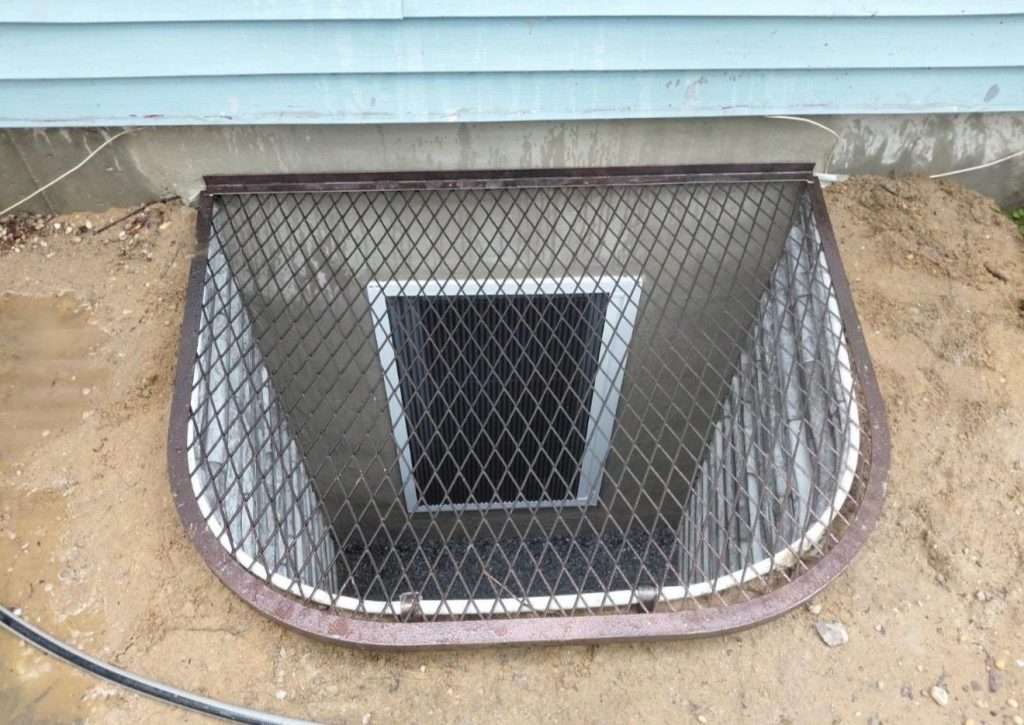
- A window well for below-grade installations
- Proper drainage to prevent water issues
- Ladders or steps for deeper installations
Long Island Building Code Requirements
Before attempting any DIY egress window project, you need to understand the specific requirements for Suffolk and Nassau Counties. Getting this wrong could mean failed inspections and costly rework.
New York State Egress Window Requirements:
| Requirement | Minimum Specification |
|---|---|
| Opening Area | 5.7 square feet (5 square feet for grade-floor openings) |
| Opening Height | 24 inches minimum |
| Opening Width | 20 inches minimum |
| Sill Height | Maximum 44 inches from floor |
| Window Well Area | 9 square feet with 36-inch projection |
| Drainage | Must prevent water accumulation |
| Ladder | Required for wells deeper than 44 inches |
Meeting these exact requirements is essential for passing inspection and ensuring your basement is legally compliant. Not sure whether your existing window is even close? Our guide to what makes a window an egress window walks through how to check before you start digging.
The DIY Egress Window Process
If you’re still considering the DIY route, here’s what you’ll need to tackle:
1. Planning and Permits
- Research local building codes specific to your town
- Obtain proper permits (typically $100-$500)
- Have utilities marked before digging
- Create detailed installation plans
2. Excavation
- Dig a large hole outside your foundation (typically 4-5 feet deep)
- Ensure proper drainage away from the foundation
- Manage the significant amount of soil removal (often several tons)
3. Cutting Through Your Foundation
This is often the most challenging part for DIYers:
- Requires specialized concrete cutting equipment
- Creates significant dust and debris
- Demands precision to maintain structural integrity
- Involves working with rebar and supporting materials
4. Window and Well Installation
- Properly frame the opening
- Install and seal the window correctly
- Place and secure the window well
- Implement proper waterproofing measures
- Install drainage systems
5. Finishing and Inspection
- Complete interior and exterior finishing
- Schedule and pass final inspection
- Address any compliance issues
DIY vs. Professional Installation: Honest Comparison
| Factor | DIY Installation | Professional Installation |
|---|---|---|
| Cost | $1200-$2,200 (materials only) | Starts around $5,500 (complete package) |
| Time Required | 2-4 days (often spread over weekends) | 1 day (typically) |
| Equipment Needed | Concrete saw, excavation tools, framing tools (rental costs add up) | All provided by Egress of LI |
| Code Compliance | Your responsibility to research and implement | Built to meet local code requirements |
| Waterproofing | DIY solutions may be inadequate | Professional-grade waterproofing systems |
| Warranty | None on workmanship | 5-year workmanship warranty, plus manufacturer warranties |
| Risk Level | High (structural, water, code violations) | Lower |
Is DIY Right for You?
DIY egress window installation might be appropriate if:
- You have significant experience with major home improvement projects
- You’re comfortable working with concrete and structural elements
- You have access to specialized equipment
- You thoroughly understand local building codes
- You’re prepared for the physical demands of the project
When to Call the Professionals
For most Long Island homeowners, professional installation is the better choice when:
- You want an installation built to meet code
- You need the job completed quickly (often in just one day)
- You want protection from water issues with proper waterproofing
- You’re concerned about maintaining your home’s structural integrity
- You want a warranty on workmanship
The Cost Factor: What Are You Really Saving?
While DIY materials might cost less initially, consider the full picture:
- Equipment rental fees (concrete saws can cost $200+ per day)
- Potential for costly mistakes and rework
- Your valuable time (typically 20-40 hours of labor)
- Risk of water damage if done improperly
- No warranty protection
Many homeowners find that professional installation from Egress of Long Island provides better value when all factors are considered.
Why Professional Installation Makes Sense for Long Island Homes
Long Island presents unique challenges for egress window installation:
- High water tables in many areas
- Sandy or clay soil conditions requiring special techniques
- Strict local code enforcement
- Coastal weather considerations
Our installers at Egress of Long Island have 20 years of experience working with these conditions throughout Suffolk and Nassau Counties.
Beyond the Window: Complete Egress Systems
A proper egress system includes more than just the window:
- Egress window covers for safety and energy efficiency
- Proper drainage systems to prevent water issues
- Interior rough finish and molding, available as an add-on
- Compacted backfill, restoration of the disturbed area, and a broom-finished cleanup
Making Your Decision
Whether you choose DIY or professional installation, don’t compromise on safety. Your egress window is a critical safety feature that could save lives in an emergency.
If you’re ready to explore professional installation, our team at Egress of Long Island provides free, no-obligation consultations to help you understand all your options.
Frequently Asked Questions
How long does professional egress window installation take?
Most installations by Egress of Long Island are completed in just one day, with minimal disruption to your home.
Can egress windows be installed in any basement?
In most cases, yes. Our evaluation process determines the optimal approach based on your specific foundation type, soil conditions, and local requirements.
Will an egress window cause water problems in my basement?
Proper installation lowers the risk a lot. Our installs include below-grade waterproofing, a drainage stone base, and a storm water leaching system built for Long Island conditions. No one can promise a basement will never see water, but these steps help.
How much natural light will an egress window add to my basement?
A larger egress opening lets in noticeably more daylight than a standard basement window.
Are egress windows secure?
Yes. Modern egress windows include multi-point locking systems and safety glass options while still providing necessary emergency exits.
Will an egress window increase my home’s value?
It can. An egress window is one of the requirements for a basement bedroom to count as legal living space (along with things like ceiling height and a permit), which adds more usable room for your family. For a broader benchmark, the National Association of REALTORS 2025 Remodeling Impact Report estimates that a full basement conversion to living area recovers about 71 percent of its cost at resale.
Do I need special maintenance for my egress window?
Minimal maintenance is required. We recommend checking the drainage periodically and keeping the window well clear of debris. Egress window covers can also reduce maintenance needs.
Ready to discuss your egress window needs? Contact our team through our contact page for a free consultation.